How Knowledge Shapes Tomorrow
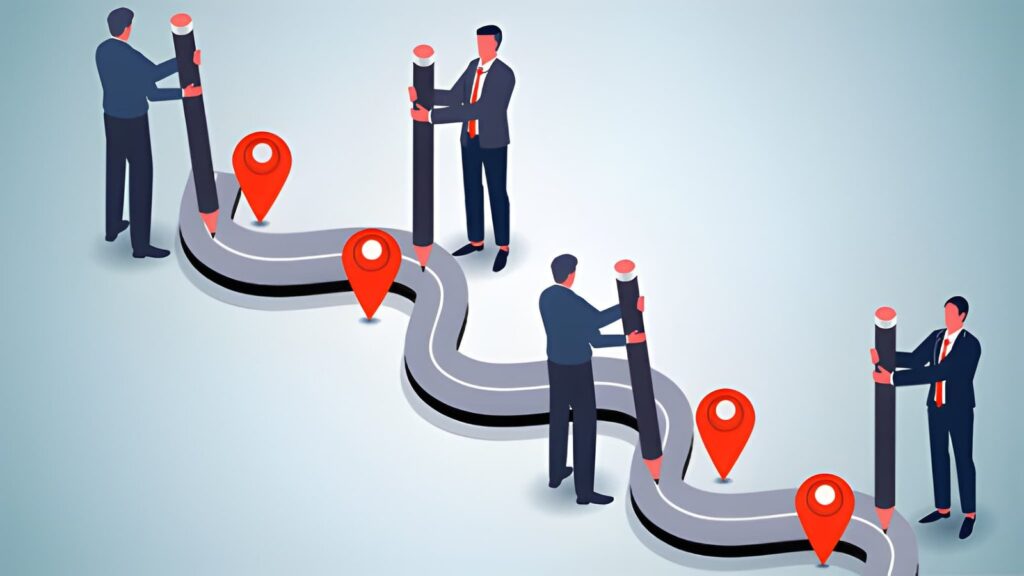
The future is often imagined as something distant and unknown, but in reality, tomorrow is being shaped by what we learn and do today. Knowledge plays a powerful role in this process. It influences how people make decisions, solve problems, create new ideas, and respond to challenges. From classrooms and workplaces to homes and communities, the knowledge we gain today can shape the world we experience PG88 in the future.
Knowledge is more than a collection of facts. It is the ability to understand information, connect ideas, learn from experience, and use what we know in meaningful ways. As society continues to change, knowledge becomes one of the most important resources for creating a stronger and more capable future.
Knowledge Guides Better Decisions
Every future begins with decisions made in the present. Individuals, businesses, and communities constantly make choices that can have long-term consequences.
Knowledge helps people make these choices more carefully. A student who understands different career options can plan their education more effectively. A business owner who studies customer needs can make better decisions about products and services. A community that understands its challenges can work toward practical solutions.
Good decisions are rarely based on guesswork alone. The more reliable information people have, the better prepared they are to consider possible outcomes.
Knowledge Drives Innovation
Many of the technologies and inventions we use today began with curiosity and a desire to solve problems. Innovation depends heavily on knowledge because people need to understand existing ideas before they can improve or transform them.
Scientists, engineers, entrepreneurs, and creators constantly build on what previous generations have discovered. One idea can inspire another, creating a chain of progress that continues over time.
The future will bring challenges that require new solutions. Knowledge gives people the foundation to explore those solutions and imagine possibilities that may not yet exist.
Education Prepares Future Generations
Education is one of the main ways knowledge is passed from one generation to another. Schools, universities, libraries, and other learning environments help young people develop the skills they need to participate in society.
However, modern education is not simply about memorizing information. It increasingly focuses on critical thinking, creativity, communication, and problem-solving.
These abilities prepare students for a future that may look very different from the present. Careers will continue to change, technology will evolve, and new challenges will emerge. By learning how to think and adapt, future generations can become better prepared for uncertainty.
Knowledge Helps People Adapt to Change
Change is a natural part of life. New technologies, economic developments, and social changes can transform the way people live and work.
Knowledge helps individuals adapt to these changes. Someone who develops new skills can remain flexible when their industry evolves. A person who continues learning may discover new opportunities instead of feeling limited by changing circumstances.
This is why lifelong learning is so important. The future does not belong only to those who know the most today. It also belongs to those who are willing to keep learning tomorrow.
Knowledge Strengthens Communities
A knowledgeable society is often better equipped to understand and address shared challenges. When people have access to reliable information, they can participate more meaningfully in conversations about issues that affect their communities.
Knowledge also encourages cooperation. People can share experiences, exchange ideas, and work together toward common goals.
For example, communities facing environmental challenges may use education and research to explore practical solutions. Local businesses can learn new methods to improve their services. Individuals can share useful skills that help others grow.
When knowledge is shared, its impact can extend far beyond one person.
Knowledge Encourages Responsible Use of Technology
Technology will likely play an even greater role in the future. However, having advanced tools is not enough. People also need the knowledge to use them responsibly.
Understanding digital information, privacy, online communication, and critical thinking is increasingly important. As technology becomes more powerful, people must learn how to use it in ways that benefit individuals and society.
Knowledge helps us ask important questions about how technology should be used, what its consequences may be, and how to ensure that innovation serves people rather than creating unnecessary problems.
The Power of Learning From the Past
Shaping a better future also requires understanding history. The experiences of previous generations can teach us valuable lessons about what works, what fails, and what should be improved.
Learning from the past does not mean repeating old ideas. Instead, it allows us to build on previous experiences while avoiding mistakes whenever possible.
History can provide perspective, helping people understand that progress is often the result of many generations working together.
Conclusion
Knowledge shapes tomorrow because today’s learning becomes the foundation for future decisions, innovations, and opportunities. It helps people think critically, adapt to change, solve problems, and contribute to their communities.
The future may be uncertain, but learning gives us the tools to face that uncertainty with greater confidence. Every lesson learned, skill developed, and idea shared can influence what comes next.
Building a better tomorrow does not happen automatically. It requires curious minds, thoughtful decisions, and a willingness to keep learning. When individuals and societies invest in knowledge, they are investing in possibilities Casino PG88 that can last for generations.
In the end, the future is not simply something we wait for. It is something we help create—and knowledge is one of the most powerful tools we have to shape it.